ZHENGOU GroupZHENG'OU

Application

Chemical & heavy industry

Acid, alkali and solvent attack combined with thermal shock. Vinyl ester and polyurethane systems where standard epoxy would blister.

What this floor has to withstand

Understand the failure mode before choosing a system.

  1. 01

    Acids, alkalis and solvents attack the floor daily — standard epoxy dissolves here.

  2. 02

    Thermal shock from hot processes and cold washdown works coatings loose from the slab.

  3. 03

    Spillage must not reach the concrete — or the ground beneath it.

  4. 04

    Mechanical damage — impacts, pallet edges, trolleys — opens paths for chemicals to attack.

Chemical & heavy industry

Recommended coating systems

Selected by duty — there is no universal system, only the one that fits.

02

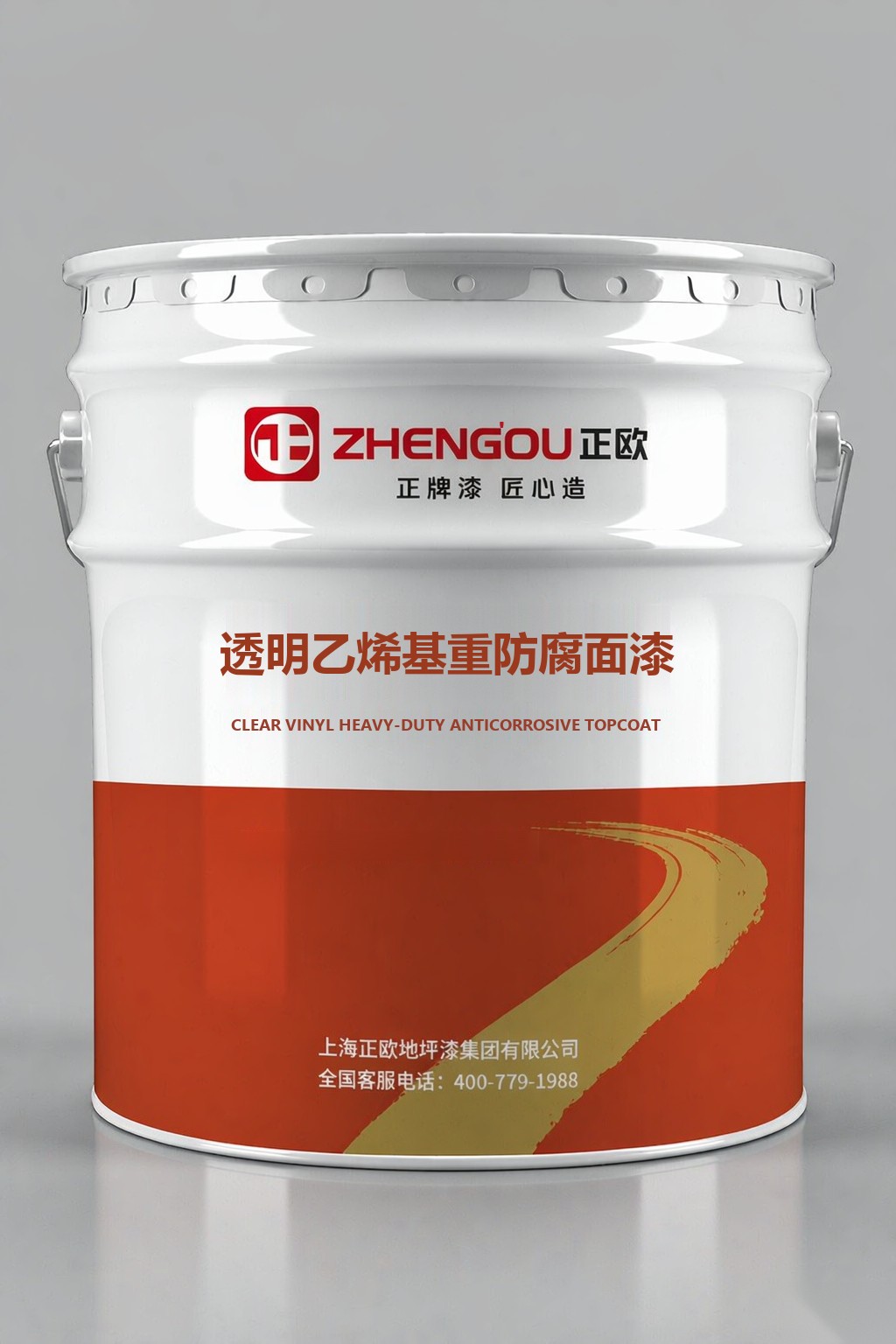
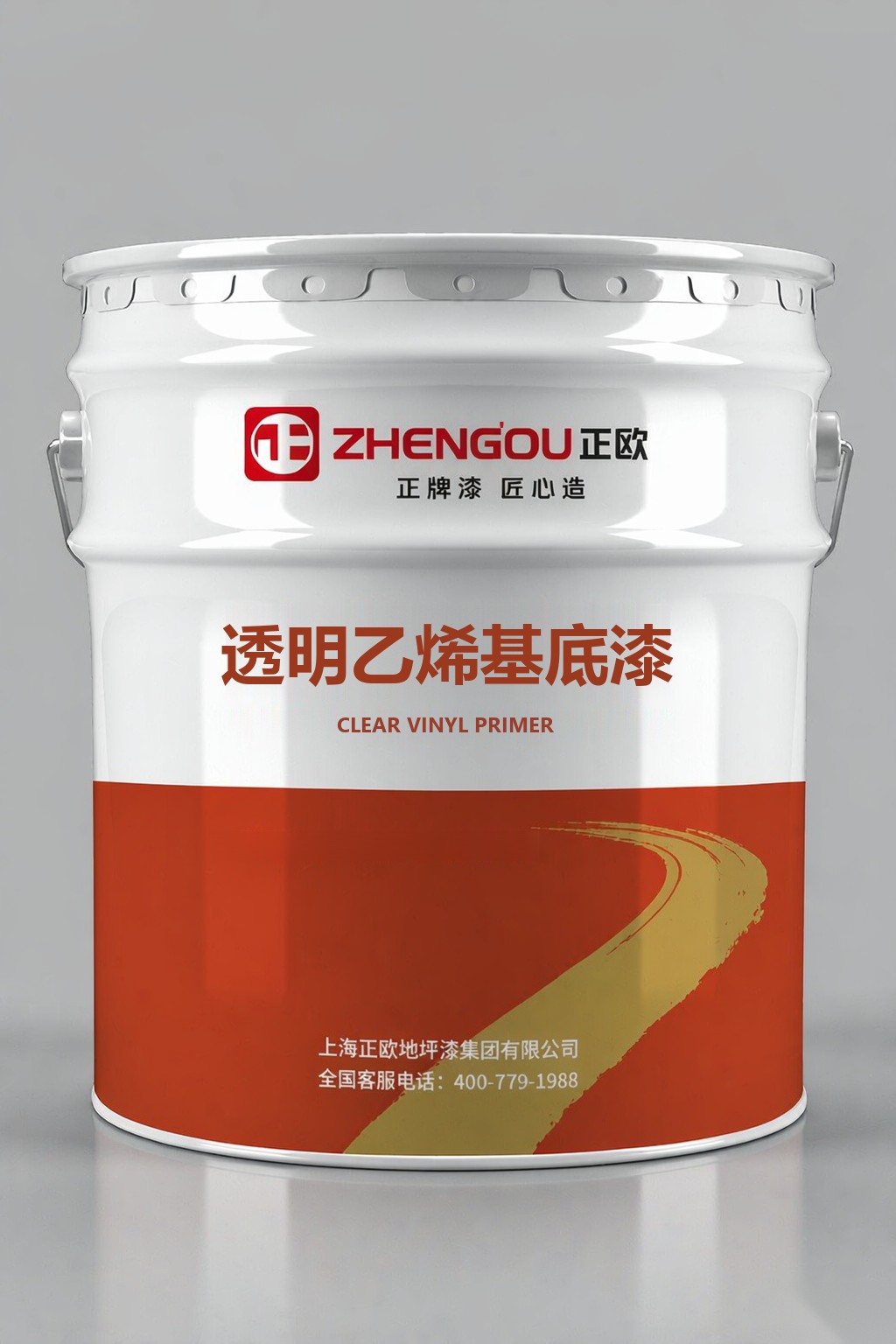
Transparent vinyl ester topcoat

Build-up
Existing anti-corrosion build, lightly abraded → transparent vinyl ester topcoat

Renews the chemical barrier of a sound system without stripping it — and keeps the substrate visible for inspection.

Standard application sequence

The same floor with the same materials can last years longer when the work is carried out carefully. The six steps below are our standard sequence for epoxy floors: what each step does, to what standard, and what we check on handover. For your workshop we fine-tune the number of layers and the thickness to the actual loads, chemicals and shutdown window.

  1. 01

    Substrate preparation

    Grinding, repair and drying; the slab must be sound before any corrosion barrier goes on. Defects such as cracks and voids are located and marked one by one, and repaired before any corrosion work starts.

  2. 02

    Vinyl ester primer

    Primer bonds the system to the slab and is the first chemical barrier. Penetration is confirmed zone by zone; under-fed areas get an extra coat.

  3. 03

    Fiberglass lamination

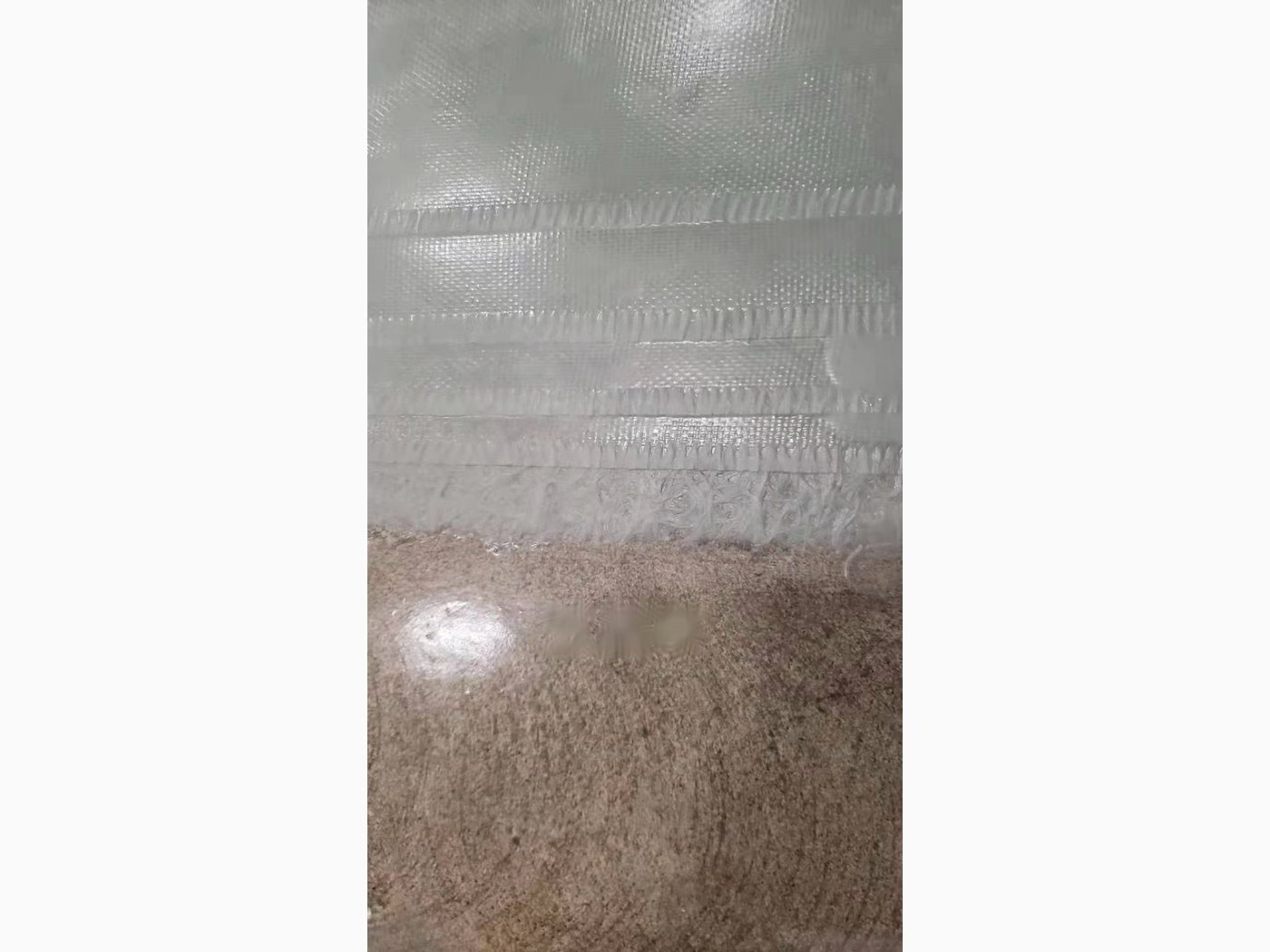
    Fiberglass mat is wetted out layer by layer in vinyl ester — the reinforcement that bridges cracks. Mat overlaps are staggered as the system requires, with air worked out layer by layer.

  4. 04

    Mortar coat

    Vinyl ester mortar builds thickness and levels the reinforced surface. The mortar doubles as the second barrier; corners and pipe penetrations are thickened with a coved transition.

  5. 05

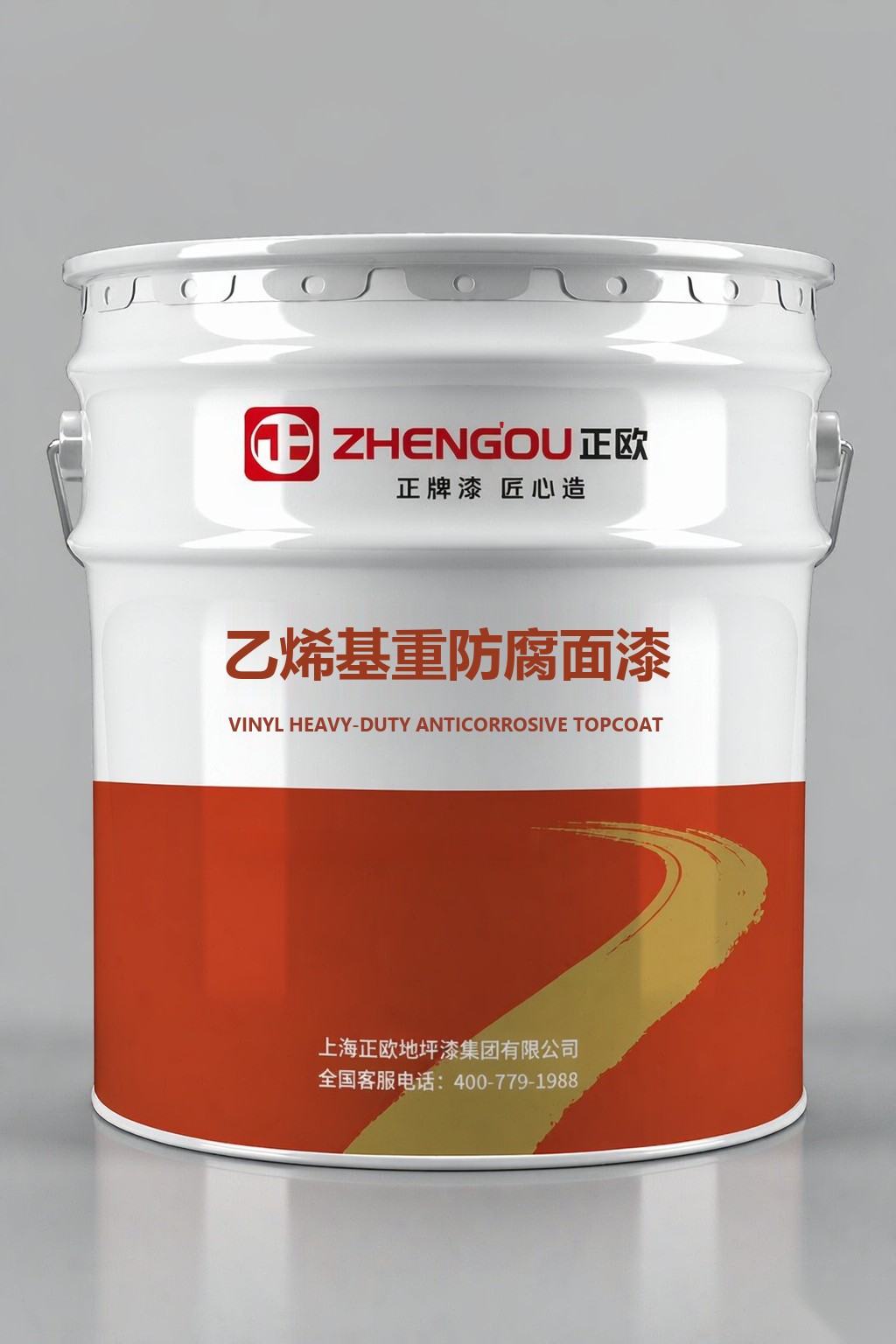
    Topcoat

    Vinyl ester topcoat seals the system into one continuous chemical barrier. After the topcoat, appearance and build are re-checked against the design before handover.

On-site photos

Finished floors photographed on site — click to enlarge and inspect the detail.

Fiberglass build-up

Multi-layer fiberglass lamination mid-installation.

Topcoat application

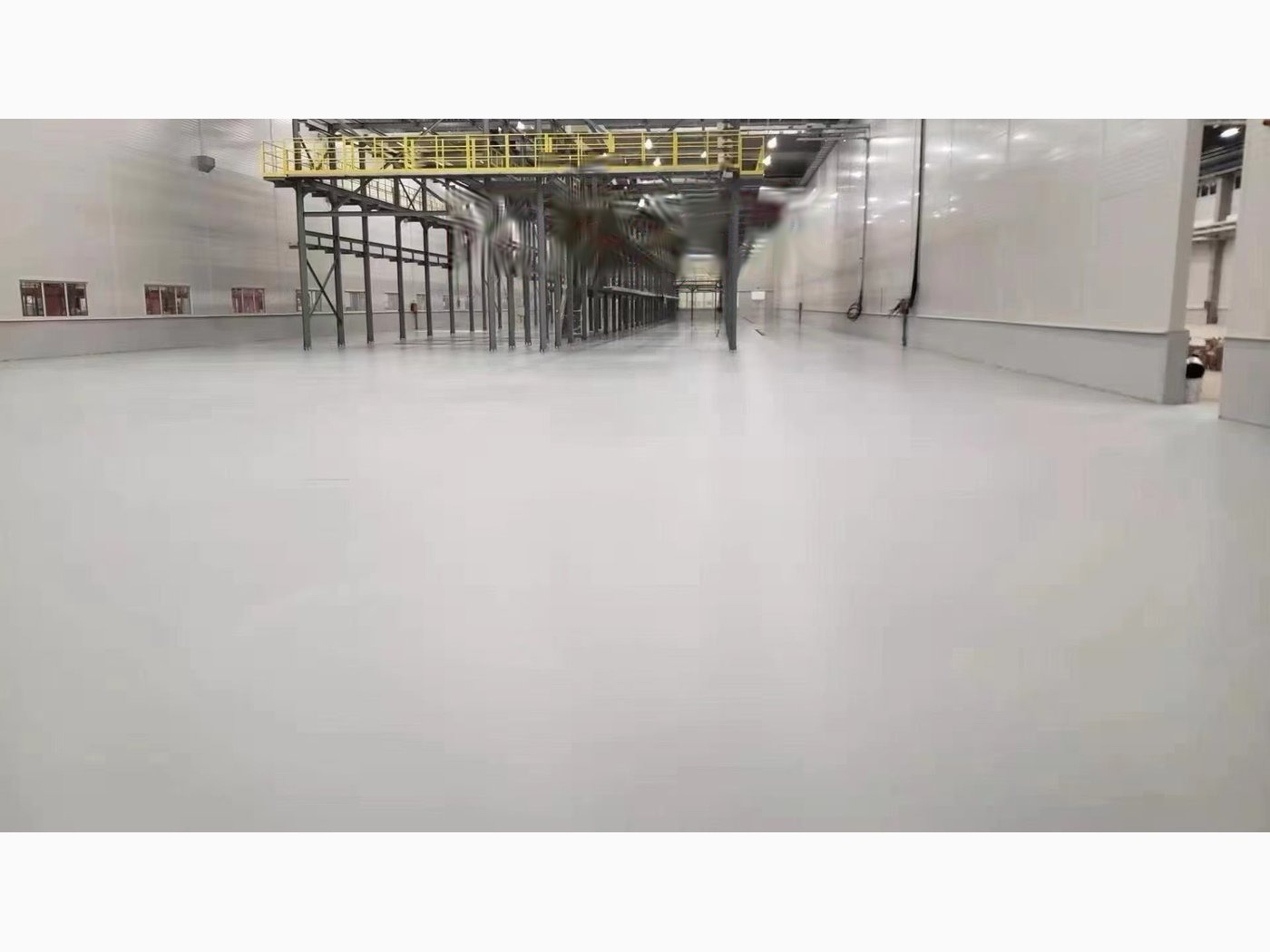
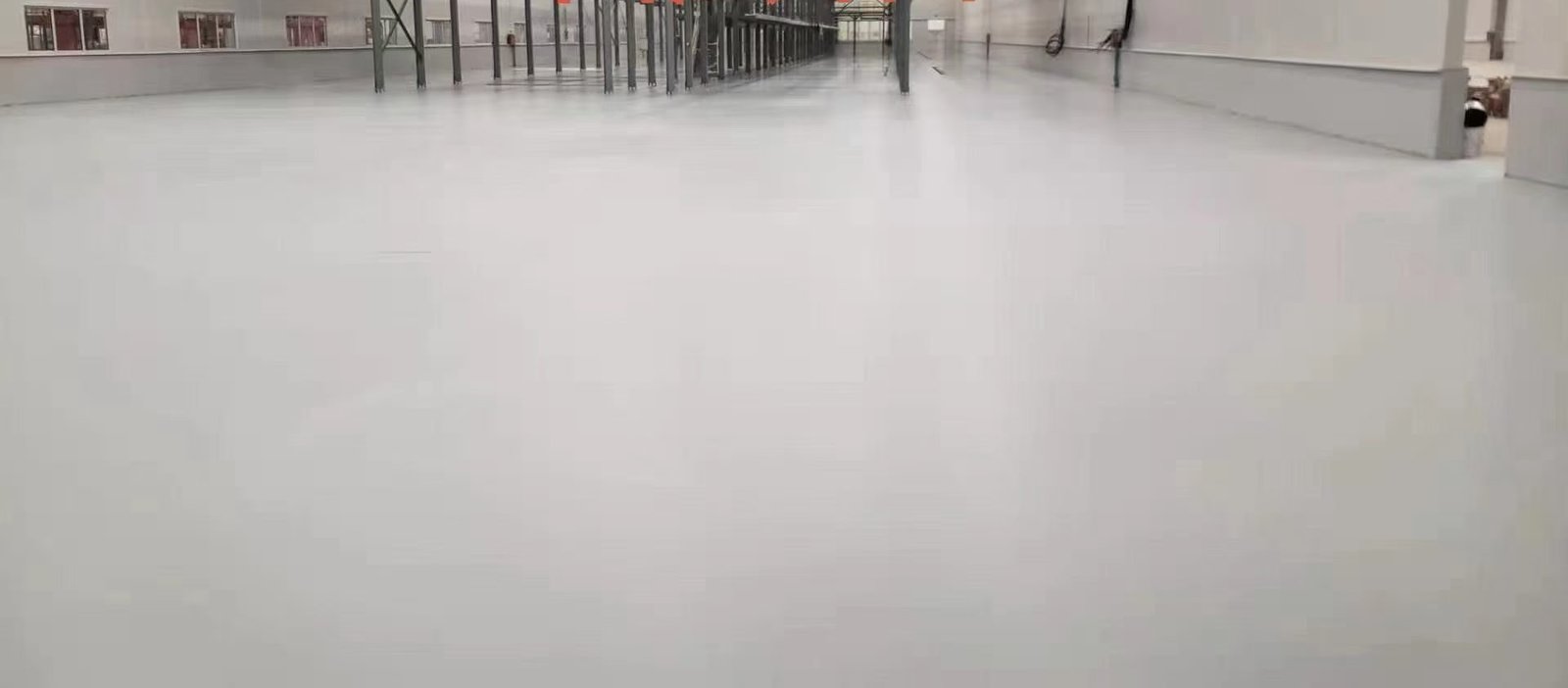
Vinyl ester topcoat applied over large areas — the final chemical barrier taking shape.

Completed resin surface

The continuous resin surface before final inspection.

Representative projects

A selection of projects delivered by the group.

  • Jiaxing Geno Electric anti-corrosion project

    Anti-corrosion coating for cable junction boxes and cable trays. Electrical equipment lives in damp, corrosive environments; vinyl-ester systems are applied layer by layer to steel components and junction boxes to lengthen maintenance intervals.

  • Kaide New Energy industrial base (Guangzhou)

    Abrasion-resistant flooring and anti-corrosion works, Lot 1. With a short build programme and overlapping trades at the new-energy base, works were organised as a flowing sequence so flooring and anti-corrosion were handed over together.

  • Wanhua Chemical

    A group framework cooperation newly awarded in 2025. Chemical plants concentrate flooring and anti-corrosion needs in workshops, tank farms and pipe racks; we recommend vinyl-ester or polyurethane systems zone by zone according to the chemicals present.

  • Shougang Group heavy-industrial sites

    Steel and heavy-industry buildings combine abrasion, heat and chemical exposure under one roof. We supply flooring materials to Shougang Group sites, selecting systems zone by zone according to the medium and load each area actually sees.

  • Minth Automotive Europe plant, Serbia

    A 2020 overseas supply project: we exported a complete vinyl ester package — resin, surface coating, fiberglass mats and cloth, corundum sand and application tools — from Shanghai to the buyer's plant in Loznica, Serbia. The floor was built as a fiberglass-reinforced vinyl ester system ("five cloth, seven coat") covering roughly 100,000 m².

Common questions

What buyers ask most when specifying a floor coating.

Which chemicals can the system withstand?

The vinyl ester range is tested against acids, alkalis and solvents at defined concentrations — the results are published per product on the site. Send us your chemical list and we confirm the fit.

Learn more
Why lay fiberglass cloth?

Concrete moves and cracks; the fiberglass lamination carries those movements and keeps the chemical barrier continuous above them.

Learn more
Our plant has both acid and alkali zones — one system?

In many cases yes; where duty differs sharply, we vary the topcoat between zones while keeping one overall programme.

Learn more
Can you renovate a failed anti-corrosion floor?

Yes — the assessment decides whether the sound layers stay and only the top is rebuilt, or the system is redone from the slab. Both keep the plant running zone by zone.

Learn more

Tell us about your floor

Send the substrate, the area and what the floor has to survive. You will get a recommended system, a build-up drawing and a quotation — usually within one business day.

Request a quote