ZHENGOU GroupZHENG'OU

Application

Food & beverage processing

Steam cleaning, organic acids, sugars and constant washdown at low temperatures. Standard epoxy blisters here — a heavy-duty polyurethane cement system is built for it.

What this floor has to withstand

Understand the failure mode before choosing a system.

  1. 01

    Hot washdown and steam cleaning several times a day — ordinary epoxy softens and blisters under thermal shock.

  2. 02

    Organic acids, sugars, fats and blood proteins attack coatings around the clock.

  3. 03

    Wet floors all day: slip resistance is a safety requirement, not a preference.

  4. 04

    Cold rooms and freezer zones bring repeated freeze-thaw cycles that crack rigid coatings.

Food & beverage processing

Recommended coating systems

Selected by duty — there is no universal system, only the one that fits.

01

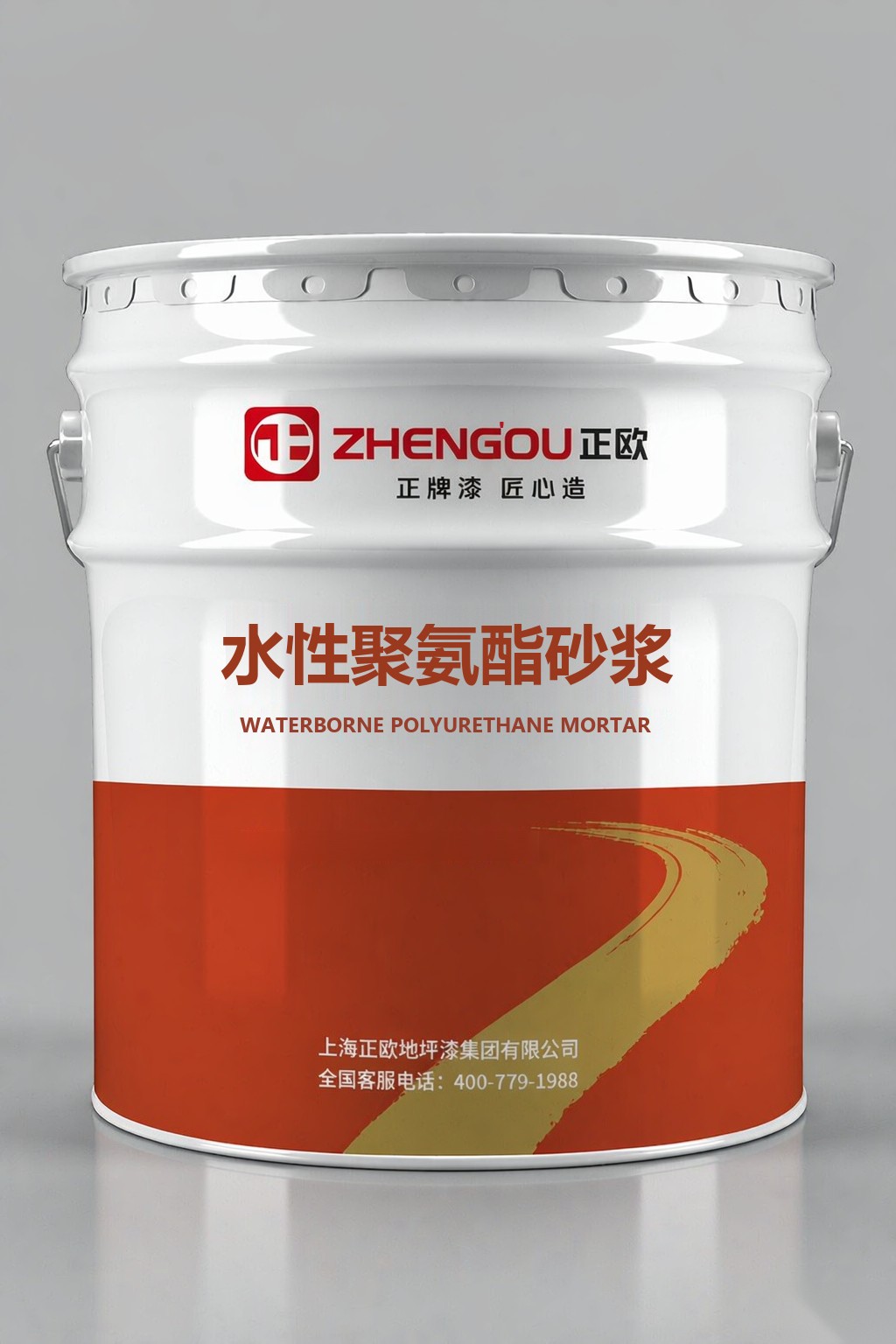
Waterborne polyurethane mortar system

Build-up
Waterborne polyurethane primer → polyurethane mortar → textured polyurethane topcoat, coved at walls
Typical thickness
Typically 4–6 mm

The system built for washdown: tolerates hot water, organic acids, fats and cold rooms, and keeps its grip when wet.

Products in this system
Standard application sequence

The same floor with the same materials can last years longer when the work is carried out carefully. The six steps below are our standard sequence for epoxy floors: what each step does, to what standard, and what we check on handover. For your workshop we fine-tune the number of layers and the thickness to the actual loads, chemicals and shutdown window.

  1. 01

    Substrate preparation

    Old failed coatings removed, slab repaired and profiled for maximum bond. Areas attacked by grease and organic acids are stripped back to sound concrete.

  2. 02

    Primer

    Waterborne polyurethane primer tuned for damp slabs. Damp or residue-affected patches first get a reinforced primer coat so the film stays continuous.

  3. 03

    Mortar layer

    Polyurethane mortar builds thickness and impact resistance. Corners and drain edges, which take the impacts, are thickened within the same layer.

  4. 04

    Textured topcoat

    The topcoat is finished with a graded texture — slip resistance without dirt traps. The slip-resistant grade is chosen per zone, because dry and wet areas are not the same.

  5. 05

    Coving & joints

    Walls are coved and movement joints sealed so washdown water has nowhere to enter. Joint sealants are chosen to suit food-area practice and are easy to renew later.

On-site photos

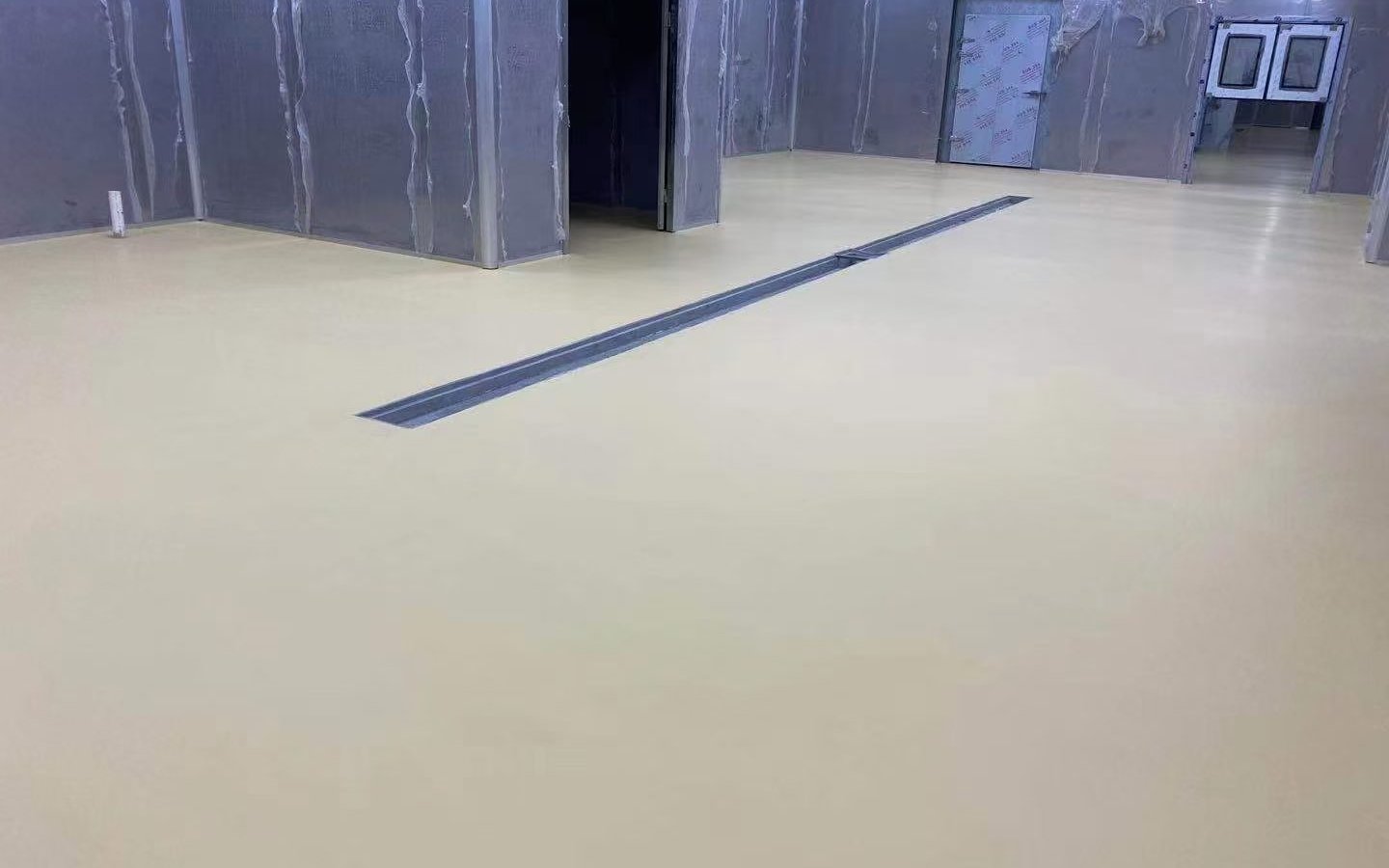
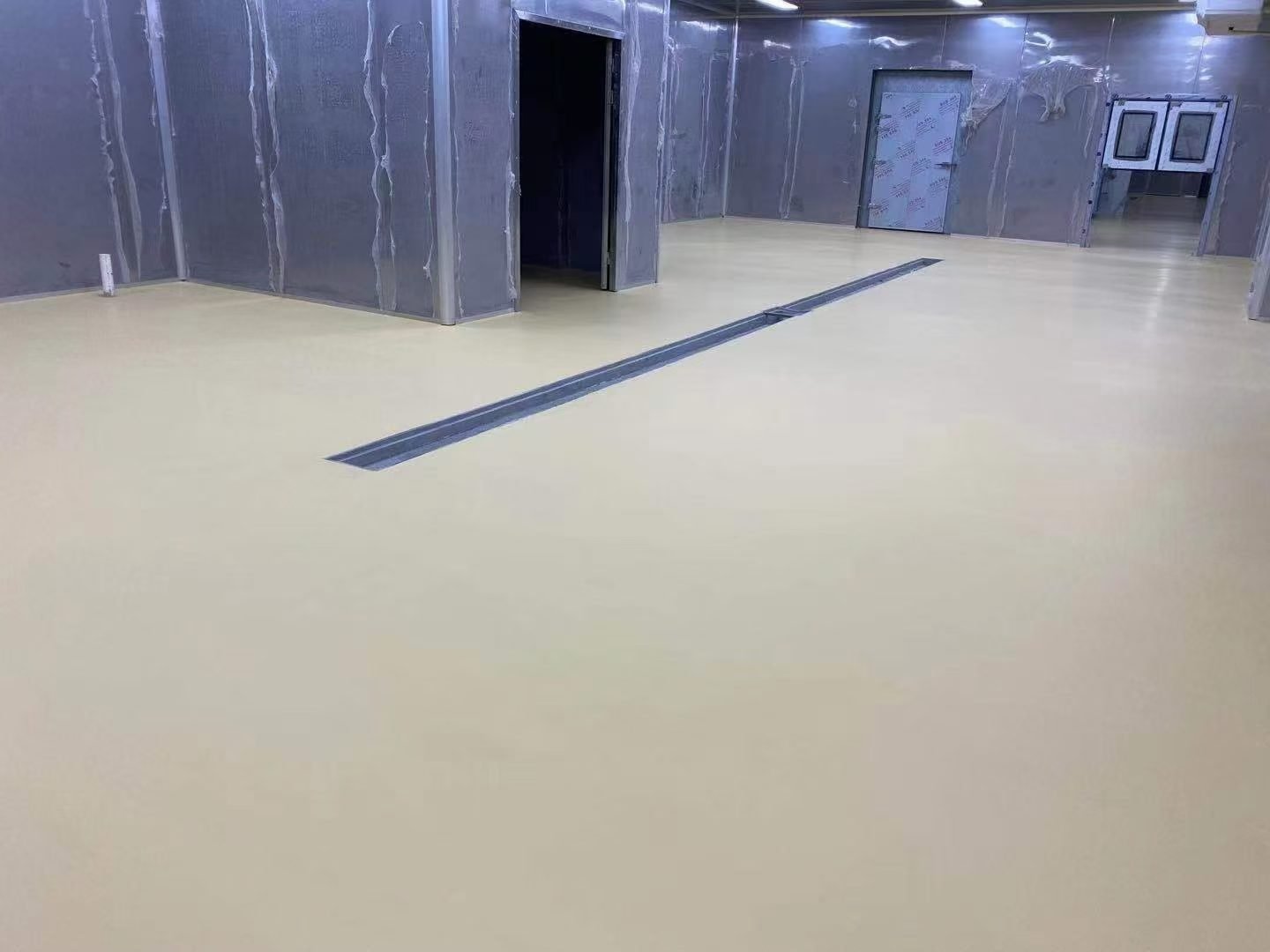
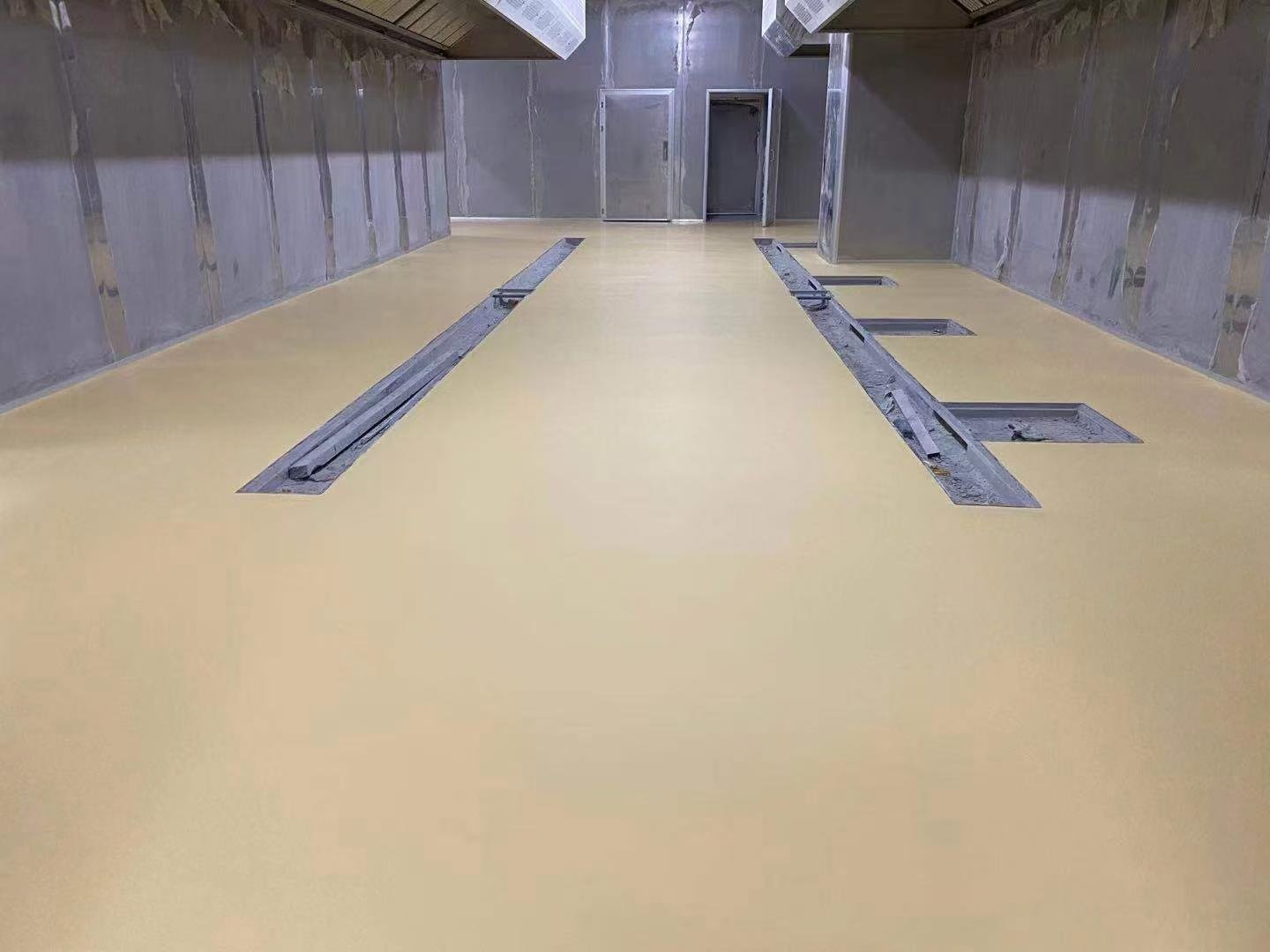
Finished floors photographed on site — click to enlarge and inspect the detail.

Processing hall

Polyurethane mortar throughout the wet processing line, textured for grip.

Washdown zone

Withstands daily hot washdown without blistering or dulling.

Cold store approach

Freeze-thaw resistant surface at the transition to the cold store.

Representative projects

A selection of projects delivered by the group.

  • COFCO flooring project

    Flooring works delivered for COFCO, recognised with the Quality Flooring Project Award. Food plants combine frequent wash-down, oil and sugar residue and strict hygiene rules: the floor has to be seamless, non-shedding and sloped correctly for drainage.

Common questions

What buyers ask most when specifying a floor coating.

Why not ordinary epoxy here?

Standard epoxy is not built for hot washdown plus organic acids — it blisters and dulls. Polyurethane mortar was engineered exactly for this duty.

Learn more
How slip-resistant is it when wet?

The graded texture keeps grip under water and fat films — the whole point of the surface design in wet processing areas.

Learn more
Can it handle the cold room?

Yes — polyurethane tolerates low temperatures and repeated freeze-thaw cycles far better than rigid epoxy systems.

Learn more
Can we phase the work between production runs?

Yes. Zoning plus fast-curing waterborne materials mean sections come back into service between production runs.

Learn more
Does the surface trap dirt in the texture?

No — the texture is graded and closed, sized for grip but smooth enough to wash clean with the normal routine.

Learn more

Tell us about your floor

Send the substrate, the area and what the floor has to survive. You will get a recommended system, a build-up drawing and a quotation — usually within one business day.

Request a quote