ZHENGOU GroupZHENG'OU

Application

Pharma cleanrooms

Seamless, non-shedding, coved skirting and cleanable with aggressive detergents. Failing a hygiene audit is the real risk.

What this floor has to withstand

Understand the failure mode before choosing a system.

  1. 01

    Audits are the real risk: the floor has to stay seamless, non-shedding and verifiable for years.

  2. 02

    Aggressive disinfectants are used on schedule; the surface must tolerate them without dulling or cracking.

  3. 03

    Coved skirting and closed corners are part of the system, not an afterthought.

  4. 04

    Renovation inside a running plant means dust and downtime must be engineered away.

Pharma cleanrooms

Recommended coating systems

Selected by duty — there is no universal system, only the one that fits.

02

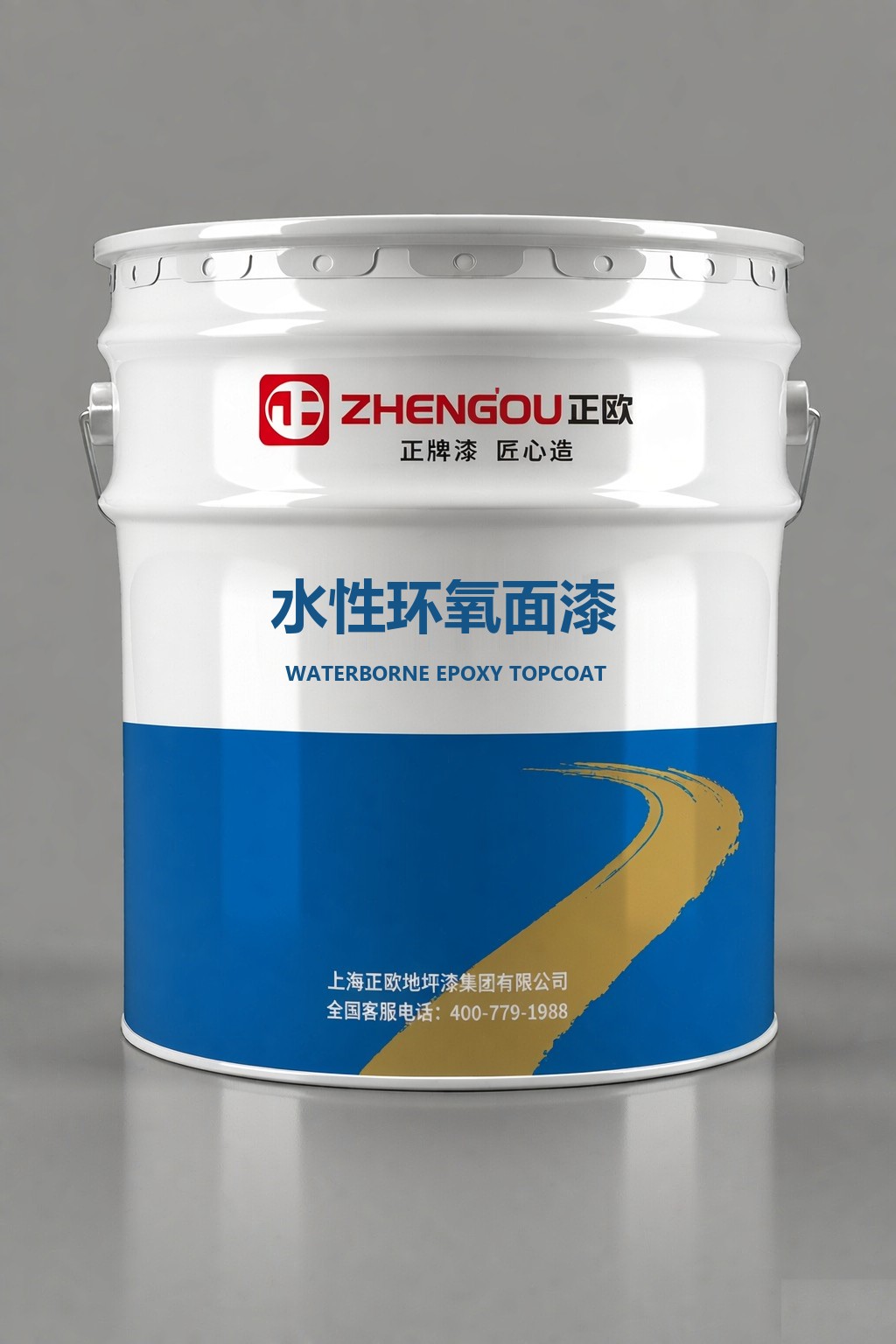
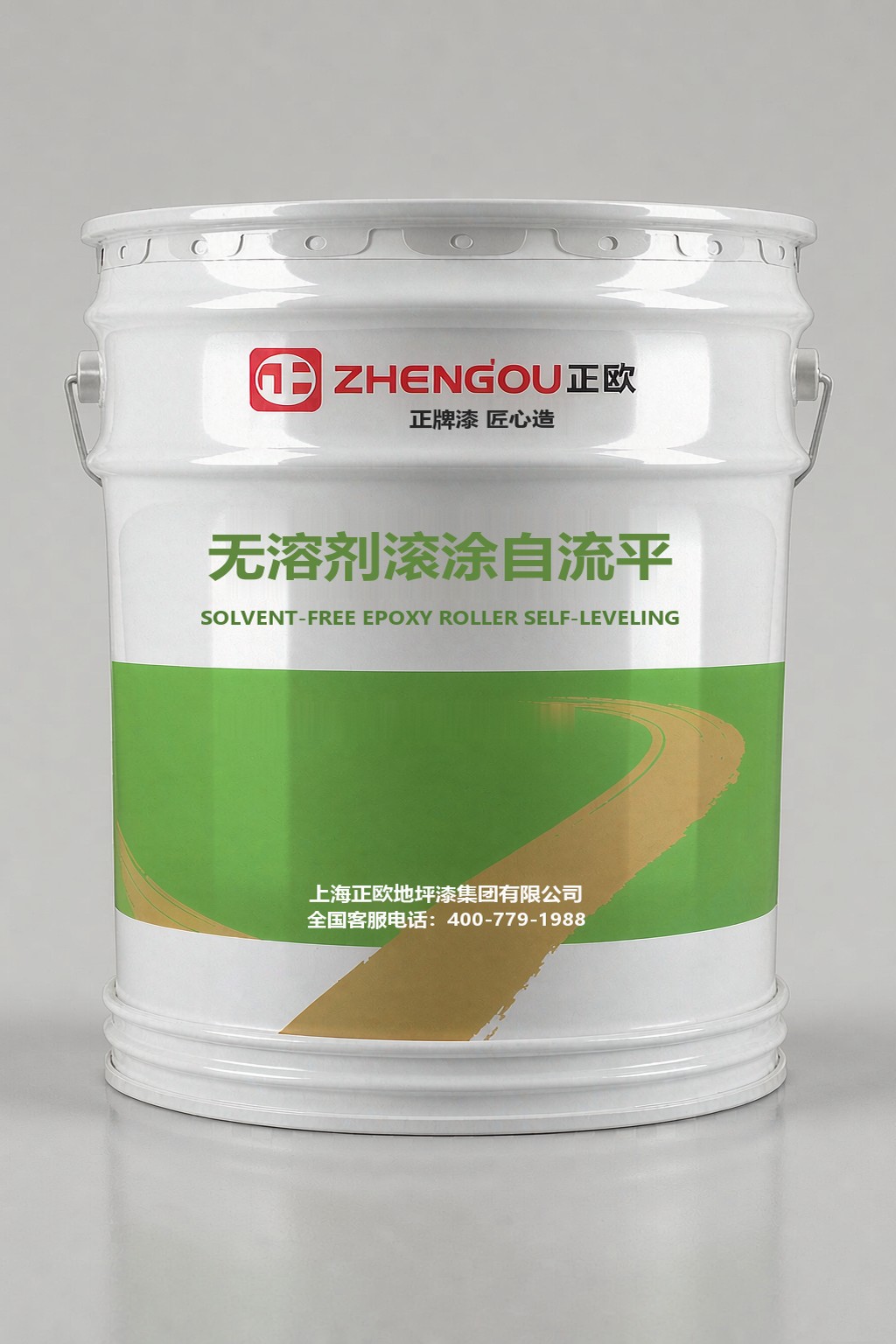
Epoxy self-levelling with waterborne polyurethane topcoat

Build-up
Epoxy self-levelling base → waterborne polyurethane topcoat

For zones cleaned around the clock: the topcoat adds softness and chemical resilience under repeated disinfection.

03

Epoxy self-levelling with ultra-abrasion polyurethane topcoat

Build-up
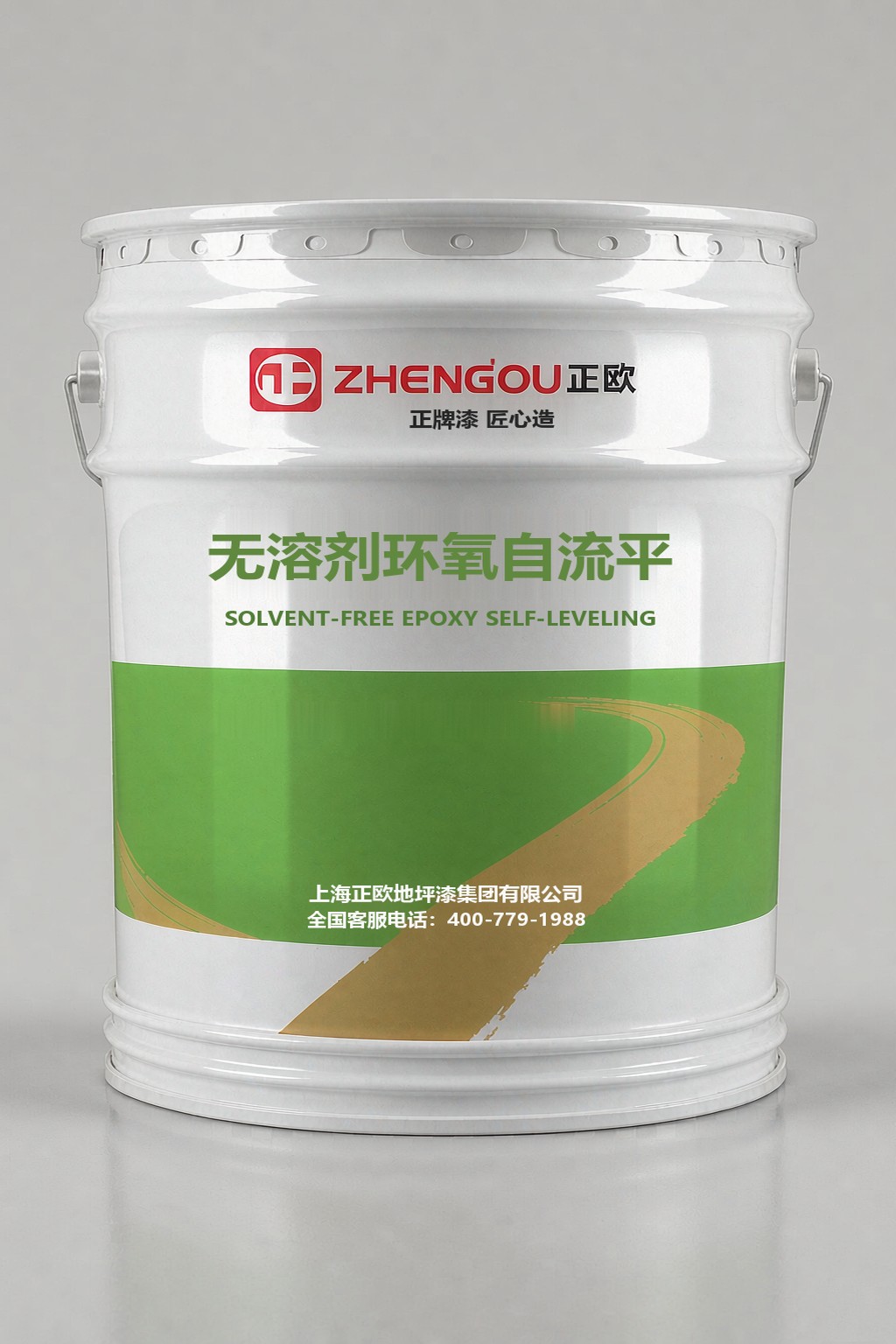
Epoxy primer → epoxy mortar/filler → solvent-free epoxy self-levelling topcoat → ultra-abrasion polyurethane topcoat
Typical thickness
Typically 2–4 mm

For cleanroom zones where trolleys and pallet trucks run constantly and the floor wears faster: the polyurethane topcoat takes the abrasion, the epoxy base keeps the surface flat, seamless and easy to clean.

Standard application sequence

The same floor with the same materials can last years longer when the work is carried out carefully. The six steps below are our standard sequence for epoxy floors: what each step does, to what standard, and what we check on handover. For your workshop we fine-tune the number of layers and the thickness to the actual loads, chemicals and shutdown window.

  1. 01

    Substrate & zoning plan

    Slab checked for strength and moisture; work zones planned so clean areas stay clean during the works. Buffer zones are set at cleanroom doorways, with personnel and materials flowing one way along the clean route.

  2. 02

    Primer and build-up

    Primer sealing, then mortar and filler coats to a perfectly flat base. Samples are retained from every batch and work records are filed room by room for audit.

  3. 03

    Self-levelling topcoat

    Solvent-free self-levelling poured and finished seamless across each room. Each room is poured in one continuous operation, leaving no construction joint.

  4. 04

    Coved skirting

    The floor turns up the wall as one piece, closing the corner that cleaning could never reach. The cove radius follows cleanroom practice, sealing tight against the wall coating.

  5. 05

    Topcoat and handover

    Optional polyurethane topcoat for high-frequency cleaning zones, then documented handover. The handover file includes batch numbers, application records and care instructions for the plant's audits.

On-site photos

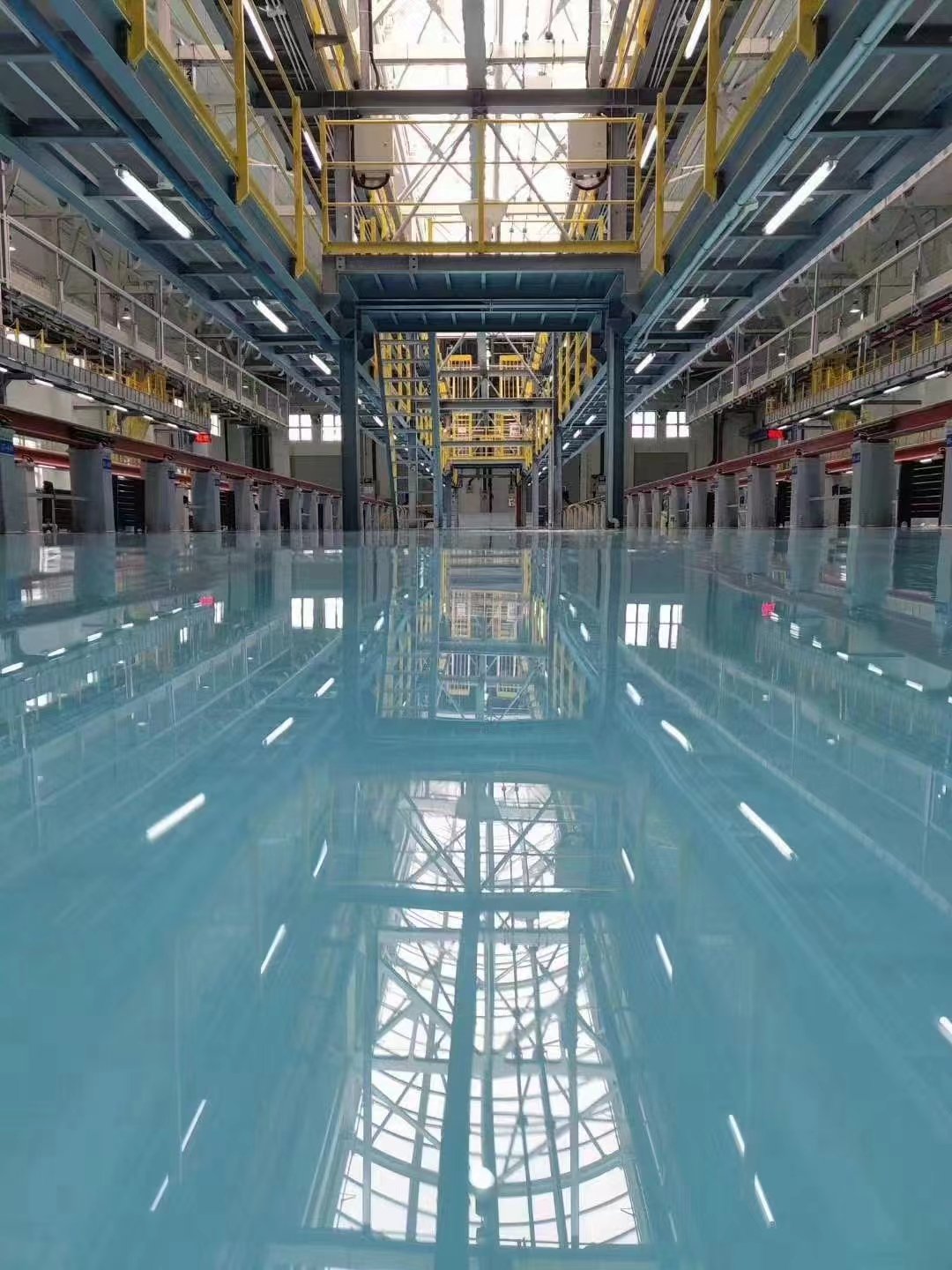
Finished floors photographed on site — click to enlarge and inspect the detail.

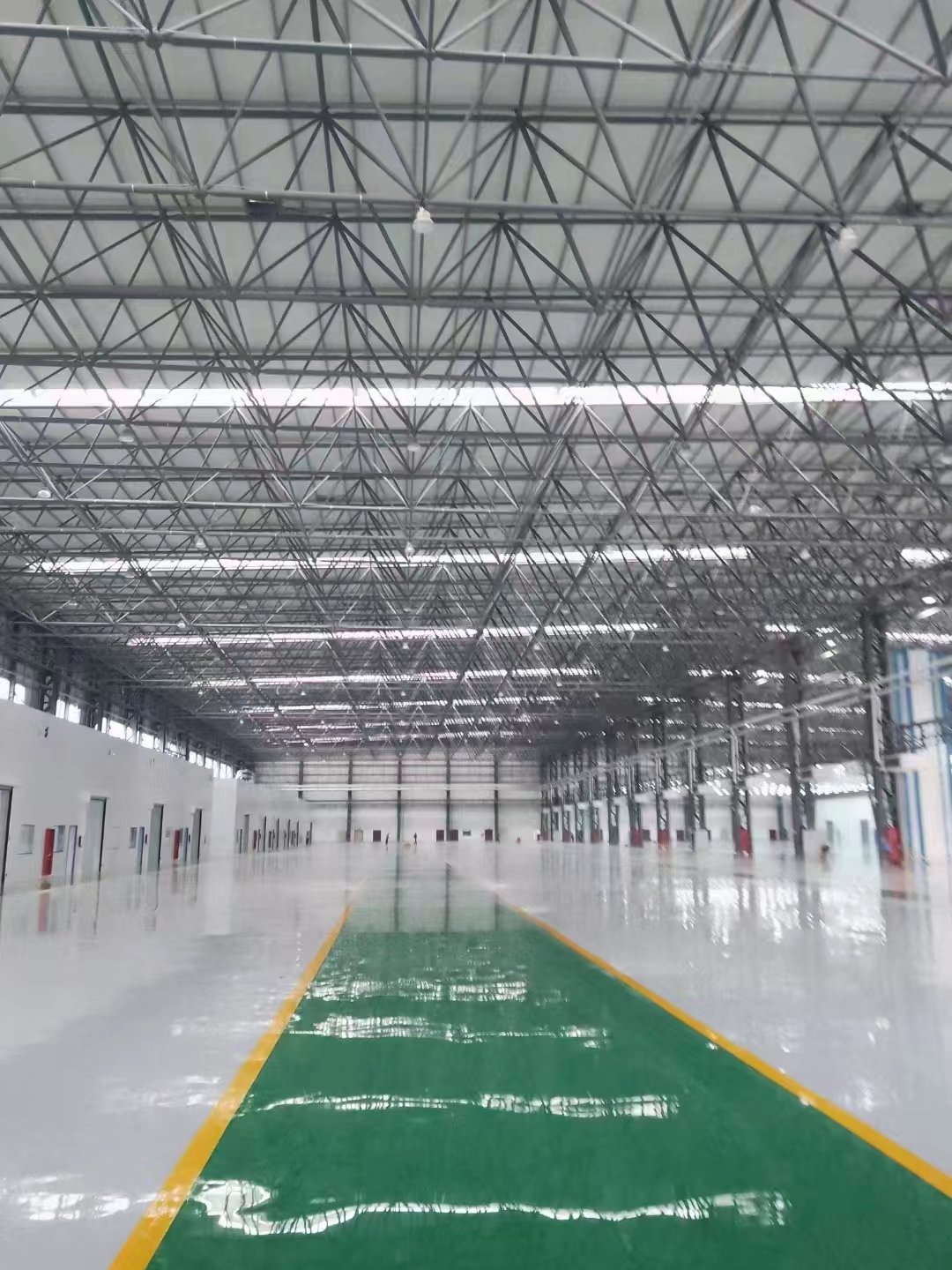
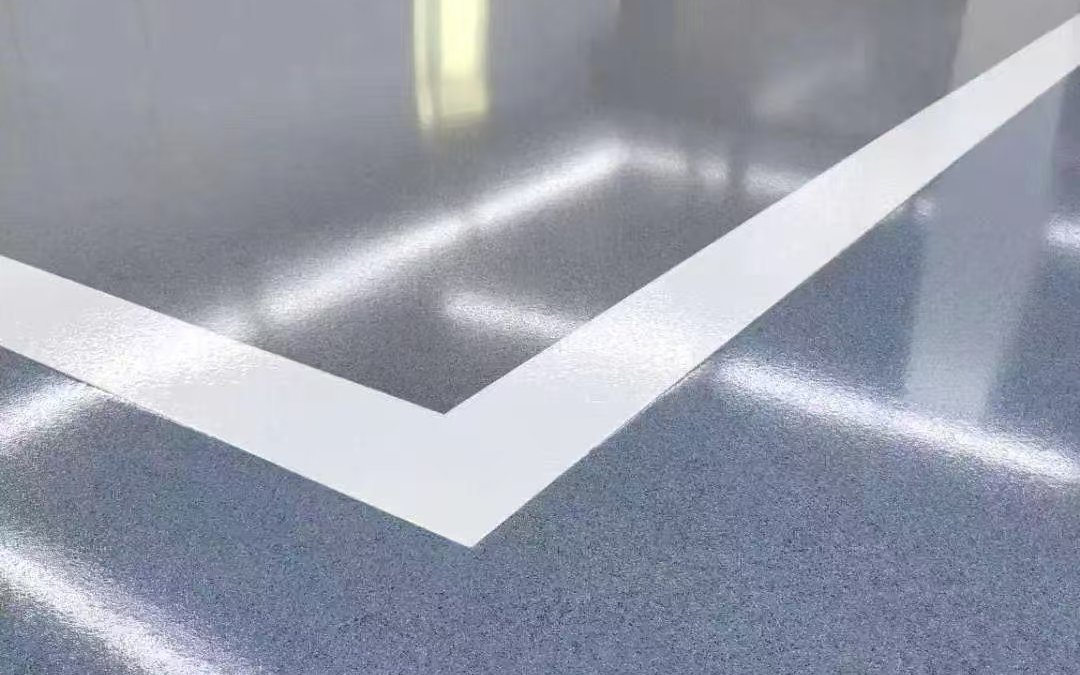
Cleanroom corridor

Seamless self-levelling through the corridor, coved into the walls.

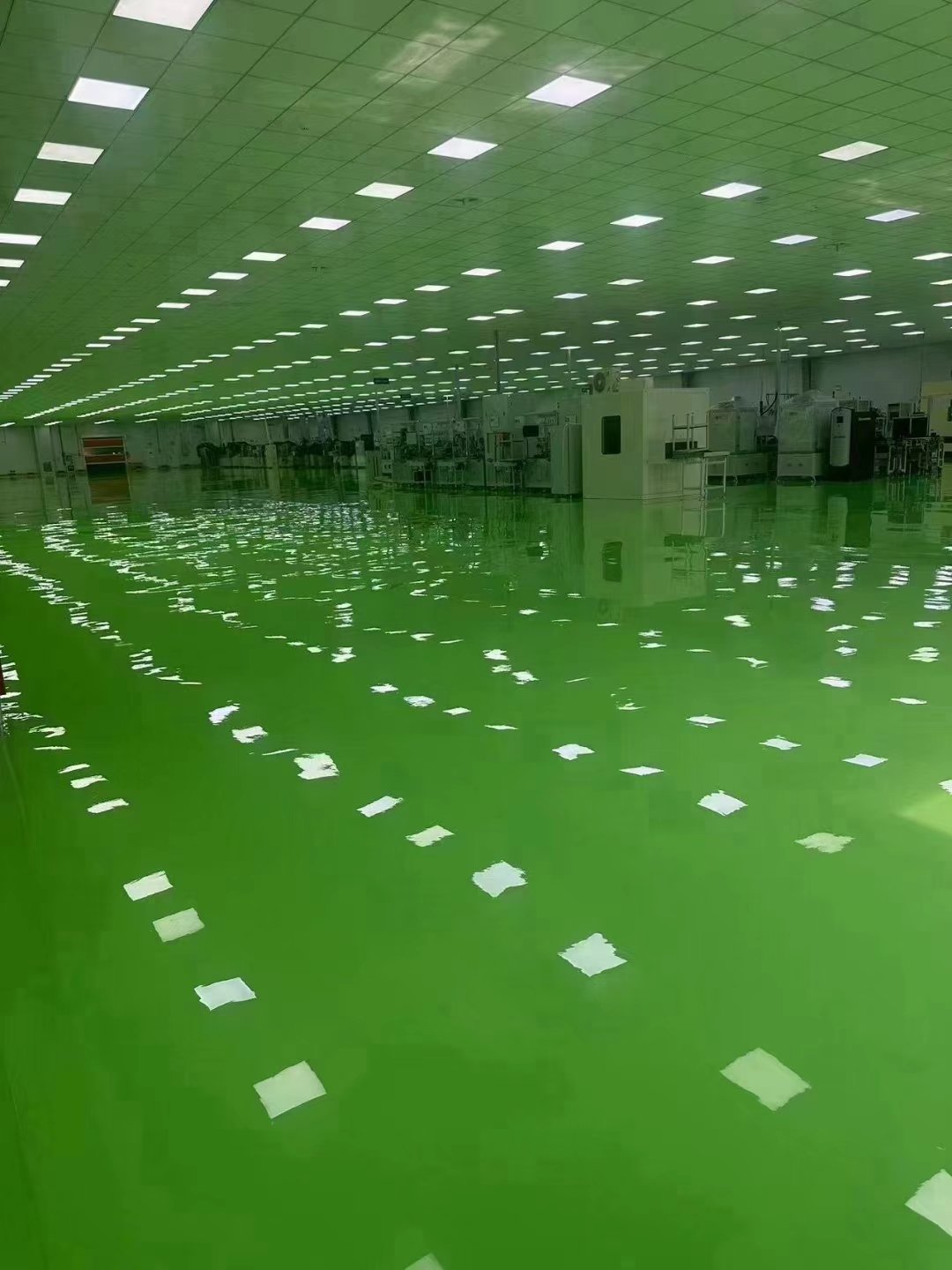
Production suite

Green self-levelling under production equipment, easy to verify and easy to clean.

Packing zone

Light-traffic area finished with the same seamless standard.

Representative projects

A selection of projects delivered by the group.

  • Shineway Pharmaceutical project

    Workshop flooring for Shineway Pharmaceutical. With steam cleaning and frequent washdowns in production areas, the floor uses a heat- and moisture-resistant, easy-clean system suited to pharmaceutical hygiene routines.

  • Pharmaceutical industry clients

    Workshop flooring products and application services for Huahai Pharmaceutical, Xinhua Pharmaceutical, Wanbang Pharma and more, covering API and formulation workshops with systems selected for cleanliness and chemical resistance.

  • Recognised clean-room and workshop flooring

    Our clean-room and workshop flooring work has been recognised by the Flooring Branch of the China Building Decoration Association as a demonstration project, and the group as a recommended brand. The same build-ups used in pharmaceutical workshops are behind those recognitions.

Common questions

What buyers ask most when specifying a floor coating.

Will this floor pass a hygiene audit?

The system is designed for it: seamless surface, coved skirting, no hiding places for dirt, and a documented build-up. Final compliance always depends on your auditor and the rest of the room, but the floor side is audit-ready.

Learn more
Which disinfectants can it take?

The cured surface tolerates scheduled cleaning with common disinfectants. For specific agents, tell us the chemical list at design stage and we select the topcoat accordingly.

Learn more
Can you work in a plant that keeps running?

Yes — zoning, dust containment and low-odour solvent-free materials make phased renovation possible. Clean areas stay clean while we work elsewhere.

Learn more
How long before the room can be used again?

Following the curing schedule — walkable the next day in normal conditions, with full cure completing over the first week. We hand over each room with its curing plan documented.

Learn more
Our existing floor is failing — replace or renovate?

We assess the slab first: if the base is sound, the existing coating is ground off and a new seamless system applied without touching the structure.

Learn more

Tell us about your floor

Send the substrate, the area and what the floor has to survive. You will get a recommended system, a build-up drawing and a quotation — usually within one business day.

Request a quote